Why the Pet Friendly Apartment Search Is Harder Than It Should Be
The pet friendly apartment search is one of the most frustrating parts of renting — but it doesn't have to be.
Here's a quick-start guide to finding a great pet-welcoming home:
- Use dedicated filters on platforms like Apartments.com, Zillow, and Apartment List to narrow results by pet type, size, and policy.
- Prepare a pet resume with vet records, vaccination history, and behavior references before you apply.
- Know the fees — pet deposits (one-time) and pet rent (monthly) are different, and both are often negotiable.
- Research the neighborhood, not just the building — look for nearby parks, walking paths, and vet services.
- Understand your rights — service animals and emotional support animals have specific legal protections most landlords must honor.
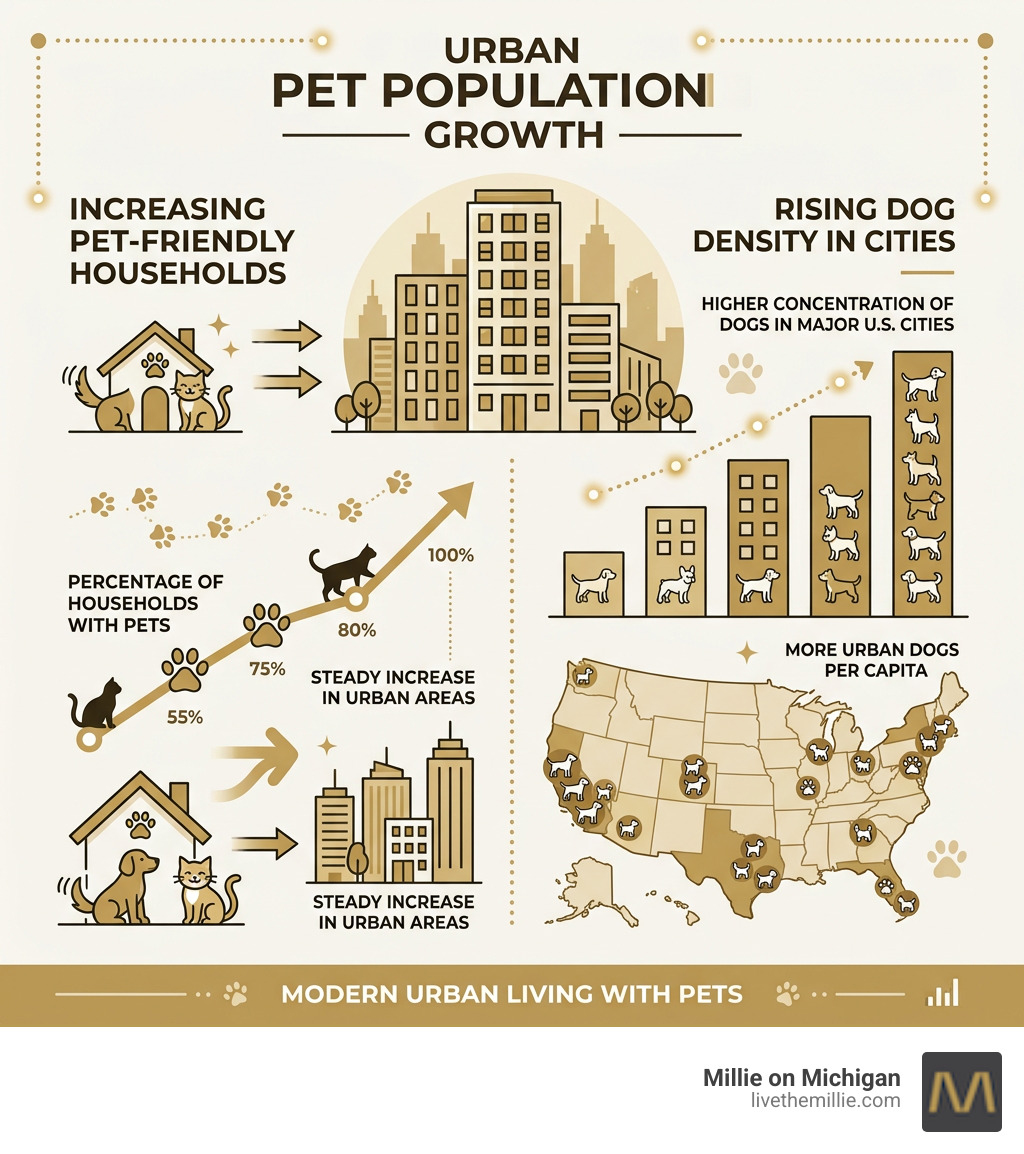
Urban living with pets is more common than ever. According to the American Pet Products Association, 94 million U.S. households have at least one pet. Nearly half of all U.S. households have a dog, and nearly a third have a cat.
Yet finding a home that genuinely welcomes your pet — not just tolerates them — is still a challenge. Breed restrictions, weight limits, steep deposits, and vague lease language can all stand between you and your next home.
The good news? With the right tools and preparation, you can navigate it confidently.
Top Platforms for a Successful Pet Friendly Apartment Search
Starting your pet friendly apartment search can feel like looking for a needle in a haystack, especially in a bustling city like Chicago. However, the digital age has gifted us with powerful tools designed to filter out the "no-pets-allowed" noise. We recommend starting with established platforms that offer robust filtering capabilities.

Apartment List is a fantastic starting point because it uses a personalized quiz to match you with properties. By specifying that you have a dog or a cat right at the beginning, the platform narrows down your options to only those that fit your lifestyle. Similarly, Zillow and Apartments.com host massive databases of listings where you can toggle specific pet policies. These sites are essential because they often list the specific pet requirements directly on the property page, saving you from making dozens of dead-end phone calls.
Using Filters to Refine Your Pet Friendly Apartment Search
To make your search as efficient as possible, you need to master the "Advanced Filters" section of these websites. Don't just click "Pet Friendly." Many buildings have nuanced policies. Some might allow cats but not dogs, or they might have weight limits that exclude your 70-pound companion.
- Set Up Alerts: The rental market in neighborhoods like the Loop or Downtown Chicago moves fast. Set up text or email alerts for new listings that meet your pet criteria so you can be the first to tour.
- Use Map Tools: This is vital for checking proximity to green spaces. A "pet-friendly" building isn't very friendly if the nearest patch of grass is a mile away. Use map views to look for nearby parks or the Chicago Riverwalk.
- Bookmark Your Favorites: Create a shortlist of buildings that offer the best amenities for your pet. This allows you to compare pet fees and restrictions side-by-side.
Specialized Resources for Specific Needs
Sometimes general search engines aren't enough, especially if you have a dog that often falls under common "restricted breed" lists. In these cases, specialized databases are invaluable. My Pit Bull is Family is a non-profit organization that maintains a National Dog Inclusive Rental Database. This resource is specifically designed to help owners of large dogs or restricted breeds find homes without facing discrimination.
Another excellent resource is People With Pets, which acts as a directory for pet-welcoming housing and services. If you are looking for more localized leads, HousingLink and Rentberry can provide additional listings that might not appear on the larger corporate sites. For those specifically in the Midwest, RentCafé and ApartmentAdvisor offer curated lists that can help streamline your hunt.
Essential Documentation: The Power of a Pet Resume
In a competitive market, we need to do more than just check a box that says "I have a pet." We need to prove that our pet is a "Good Citizen." This is where a pet resume comes into play. It’s a professional way to introduce your furry friend to a potential landlord and ease any concerns they might have about property damage or noise.
A great pet resume should include:
- A Cute Photo: Humanize your pet! It’s harder to say no to a face than a "large dog" label.
- Vital Stats: Name, age, breed, and weight.
- Health Records: Proof of vaccinations and flea/tick prevention.
- Training Certificates: If your dog has completed obedience training or has a "Canine Good Citizen" certification, highlight it.
- References: Include testimonials from previous landlords or your current veterinarian.
You can even find a Pet Resume template to help you get started. This extra step shows that you are a responsible owner who takes pet care seriously.
Strengthening Your Pet Friendly Apartment Search with Proof
Beyond the resume, having your paperwork in order can make your application stand out. According to the American Veterinary Medical Association, 45.5% of U.S. households have a dog. With that much competition, providing a "pet package" with your application is a game-changer.
We recommend carrying a digital or physical folder containing:
- Up-to-date Vet Records: Showing your pet is healthy and fixed.
- Renter’s Insurance: Ensure your policy includes pet liability coverage. This protects you and gives the landlord peace of mind that any accidental damage is covered.
- A Letter of Recommendation: A quick note from a neighbor or previous landlord confirming your pet is quiet and well-behaved can go a long way.
Navigating Policies: Deposits, Rent, and Restrictions
Understanding the financial and legal side of your pet friendly apartment search is crucial. Not all "pet-friendly" policies are created equal, and the costs can vary significantly between buildings.
With 94 million U.S. households owning pets, landlords have developed various ways to manage the perceived risk of housing animals. You will likely encounter three main types of pet-related costs:
- Pet Deposit: This is typically a one-time fee paid at move-in. It may be refundable or non-refundable depending on the building's policy and local laws.
- Pet Rent: This is a monthly fee added to your base rent. It’s becoming increasingly common in luxury buildings in Downtown Chicago.
- Pet Fee: A one-time, non-refundable charge that is essentially the "price of admission" for your pet.
Strategies for Negotiating with Landlords
Don't assume that every policy is set in stone. If you find a perfect apartment but the pet policy is a bit restrictive, there are ways to negotiate.
- Offer a Meet-and-Greet: If a landlord is on the fence about your pet's size or breed, offer to let them meet your pet. A well-behaved, calm animal can often change a "no" to a "yes."
- Propose a Trial Period: Ask if you can sign a lease with a three-month pet "probationary period" where the landlord can check for noise complaints or damage.
- Amend the Lease: If you reach an agreement that differs from the standard lease, ensure it is put in writing. Both you and the landlord should initial any changes regarding pet types, fees, or specific permissions.
| Feature | Pet Rent | Pet Deposit |
|---|---|---|
| Frequency | Monthly | One-time at move-in |
| Refundable? | No | Sometimes (if specified) |
| Purpose | Ongoing "wear and tear" | Security against damage |
| Negotiable? | Yes, sometimes | Yes, especially with references |
Identifying Pet-Friendly Neighborhoods and Amenities
When we think about a pet friendly apartment search, we aren't just looking for four walls; we’re looking for a community. In Chicago, some neighborhoods are significantly more accommodating to pets than others.
Chicago is famously dog-friendly, with statistics showing there are 22 dogs in Chicago for every 100 people. If you’re looking downtown, neighborhoods like the Loop and Streeterville are prime locations. These areas offer stunning river views and lake views, but more importantly, they are designed for the urban pet owner.
Luxury Amenities to Look for During Your Pet Friendly Apartment Search
Modern luxury buildings have moved far beyond just "allowing" pets. They now compete to offer the best pet-centric amenities. When touring apartments in the Downtown area, keep an eye out for:
- On-Site Dog Runs: Especially those that are heated or sheltered. This is a lifesaver during Chicago winters.
- Pet Spas and Grooming Stations: These stations allow you to wash your dog after a walk along the lakefront without making a mess in your own bathroom.
- Paw Lounges: Some buildings offer dedicated indoor spaces where pets and owners can socialize.
- Proximity to Parks: Living near the Magnificent Mile or the Chicago Riverwalk means you have immediate access to world-class walking paths.
Legal Rights and Responsible Renting
It’s important to know your rights as a renter. The Fair Housing Act provides specific protections for individuals who require service animals or emotional support animals (ESAs).
Under federal law, service animals and ESAs are not considered "pets." This means that even buildings with "no pets" policies or weight restrictions must generally accommodate them, and they are typically exempt from pet rent and deposits. However, you must provide proper documentation from a healthcare professional to qualify for these protections.
Tips for Being a Good Neighbor
To ensure we maintain a positive relationship with our landlords and neighbors, we must practice responsible pet ownership. This is the best way to prevent issues like eviction or pet removal notices.
- Barking Management: If you live in a high-rise, sound travels. Use rugs to muffle noise and consider crate training or calming techniques if your pet has separation anxiety.
- Waste Disposal: Always use designated pet relief areas and clean up immediately. This is the number one complaint landlords have about pet owners.
- Safety First: Ensure your windows and balconies are secure. In high-rise living, "High-Rise Syndrome" (pets falling from windows) is a real danger. Never leave your pet unattended on a balcony.
- Use Resources: Check the National Dog Inclusive Rental Database for tips on navigating local ordinances and finding support if you face housing discrimination.
Frequently Asked Questions about Pet-Friendly Renting
What is the difference between pet rent and a pet deposit?
Pet rent is a recurring monthly fee that covers the "added wear and tear" of having an animal in the building. A pet deposit is a one-time sum paid upfront to cover potential damages. Deposits are sometimes refundable at the end of the lease, whereas pet rent is never returned.
Can I negotiate a "no pets" policy with a private landlord?
Yes, it is often possible, especially with individual condo owners or smaller landlords. Presenting a professional pet resume, offering an additional deposit, or providing references from previous landlords can often sway a hesitant owner. However, in large managed buildings, policies are usually more rigid.
What should I do if I receive a pet removal notice?
First, don't panic. Review your lease immediately to see if you are in violation of a specific clause. If you have a service animal or ESA, you have legal protections. If the issue is related to behavior (like barking), ask for a "cure period" to address the problem with training. You can also seek guidance from organizations like My Pit Bull is Family for advocacy and legal resources.
Conclusion
Finding the perfect home for you and your furry companion shouldn't feel like an impossible task. By leveraging the right platforms, preparing a stellar pet resume, and knowing exactly what amenities to look for, you can turn a stressful pet friendly apartment search into an exciting journey toward your next home.
In the heart of Chicago’s Streeterville neighborhood, we believe that luxury living should include every member of your family. Imagine waking up to stunning city and lake views, taking a morning stroll along the Magnificent Mile, and returning to a building that offers modern design and resort-style amenities tailored for both you and your pet. From the vibrant energy of the Loop to the serene paths along the river, the best of Chicago is waiting for you.